Jasmine Girl Flower Portrait Cahtgpt Prompt
Girls
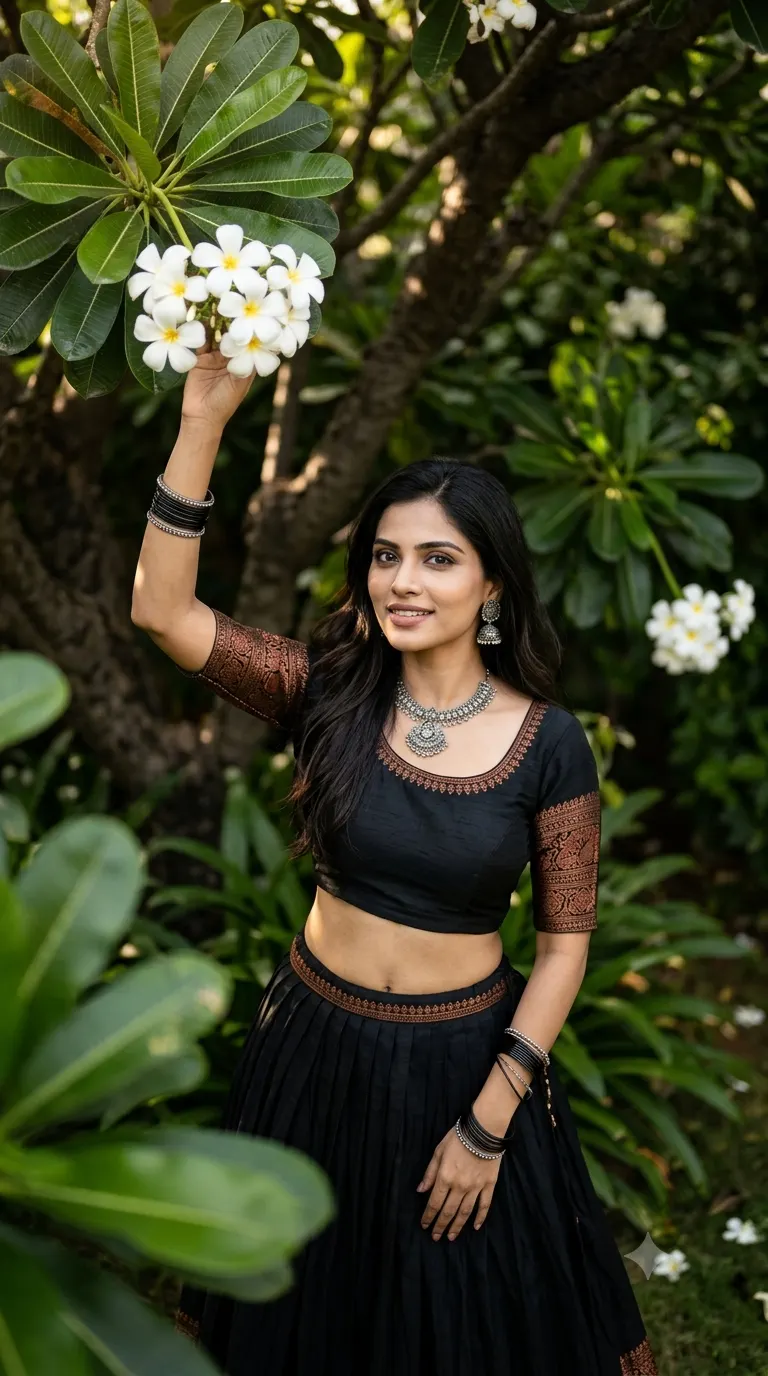
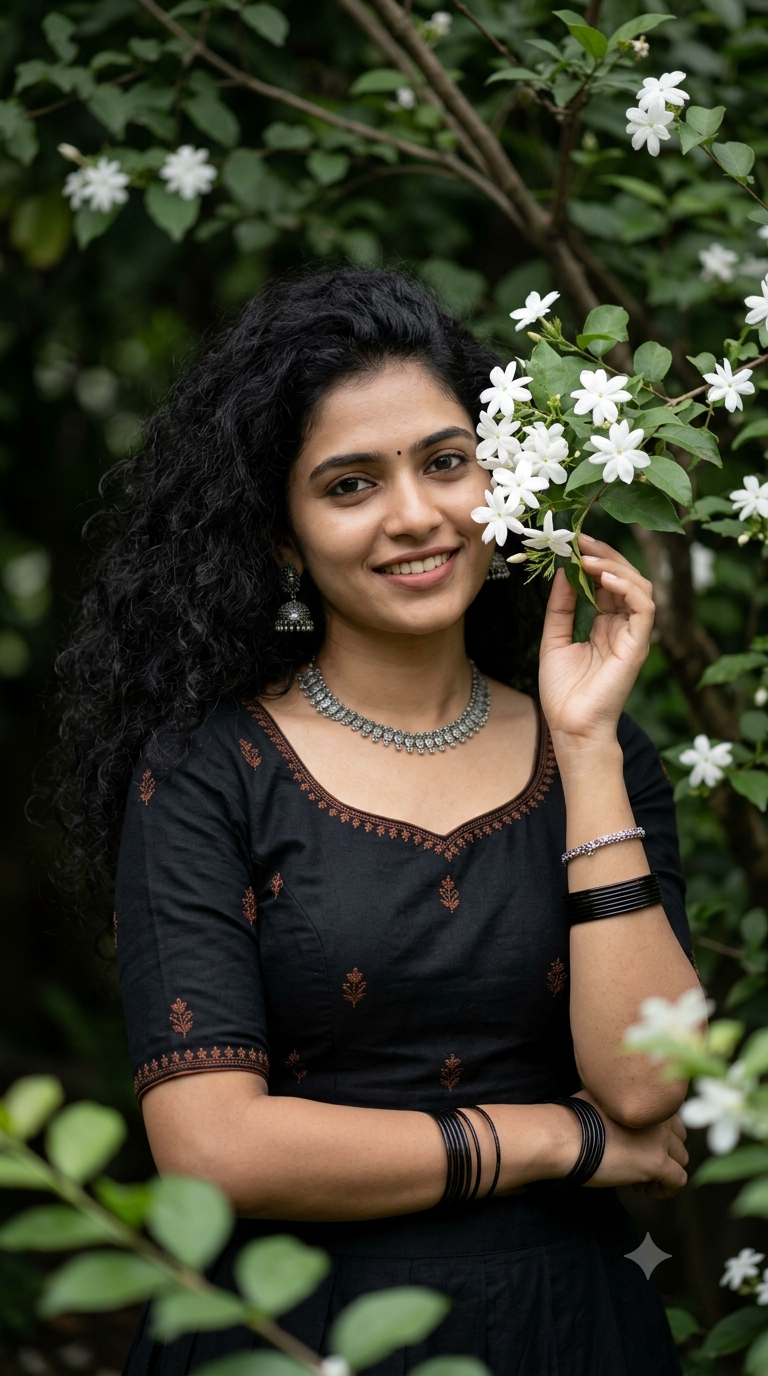
Create Image Realistic Jasmine Flower Portrait using prompt seen below. 1. STRICT FACE IDENTITY COPY DNA Use the …
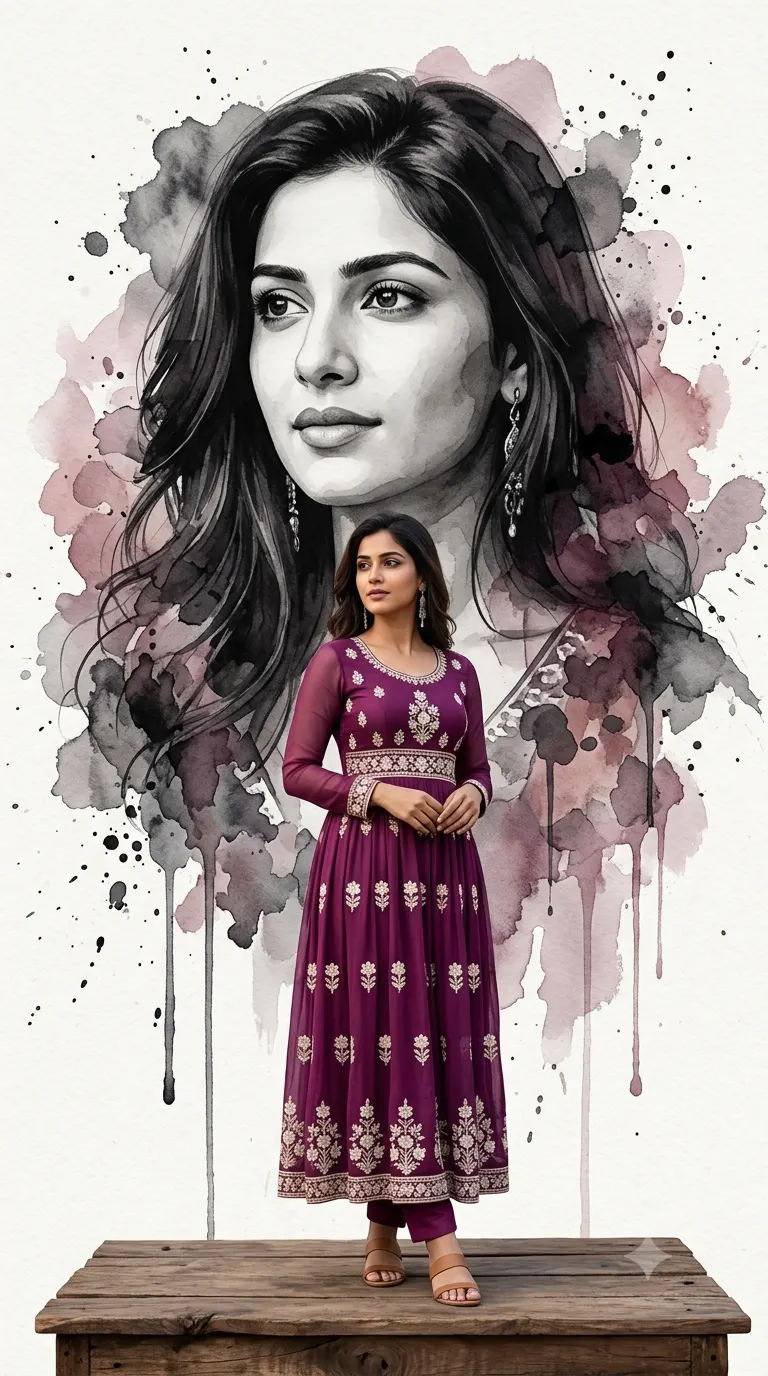
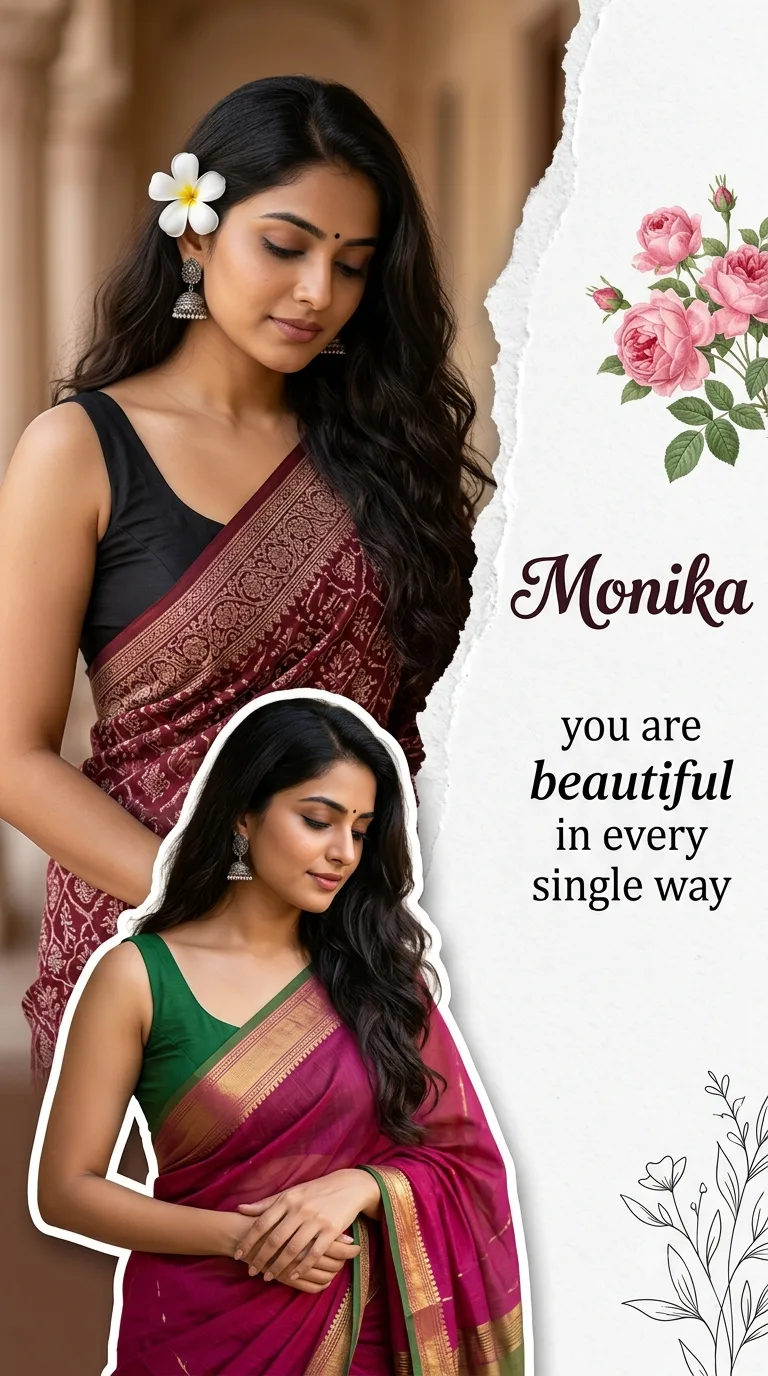
Create Image Artistic Double-Exposure Girl Portrait with Watercolor Background of her using gemini prompt seen below.
Use the uploaded reference image exclusively as the facial identity source for the main female subject. Preserve her exact facial identity, including head shape, forehead, natural hairline, eyebrows, eye shape and spacing, eyelids, nose, lips, cheeks, jawline, chin, ears, skin tone, natural skin texture, facial proportions, and apparent age. Maintain her natural expression and recognizable facial characteristics without beautification, facial reshaping, artificial skin smoothing, or stylization of her actual face. Both the oversized background portrait and the smaller full-body figure must depict the same woman with consistent facial identity.
Reconstruct a sophisticated vertical fashion portrait composition featuring two visual representations of the same woman. The dominant element is an enormous black-and-white head-and-shoulders portrait occupying most of the upper and middle background. In the foreground, a smaller, full-length, naturally colored version of the same woman stands on a rustic wooden platform. The oversized portrait must appear artistically integrated into an expressive watercolor and ink-splatter background rather than looking like a separate rectangular photograph. The composition should communicate elegance, artistic individuality, and contemporary fashion photography. Preserve the strong size contrast between the background portrait and the foreground subject.
Position the oversized monochrome portrait centrally in the upper two-thirds of the frame. Its face should be large, clearly recognizable, and turned slightly toward the viewer's left, with the eyes looking gently toward the left side of the composition. Include the head, shoulders, and flowing dark hair, allowing the lower edges of the portrait to dissolve naturally into watercolor textures. Place the smaller, full-body woman in the lower central portion of the image, in front of the large portrait. Her body should remain fully visible from the top of her head to her sandals. Maintain enough separation between the two representations to ensure that the foreground figure is immediately distinguishable. The large portrait should remain the dominant visual feature, while the smaller figure provides color, scale, and fashion detail.
The foreground woman stands naturally with a gentle three-quarter body orientation. Her shoulders are relaxed, and her head turns slightly toward the viewer's left. Her eyes look thoughtfully to the side, and she wears a subtle, confident smile. Both hands meet softly around her lower abdomen, with the fingers naturally interlaced without stiffness. Her posture is upright but relaxed, with a graceful, natural weight distribution between her legs. Her long hair falls over her shoulders and down her back. The oversized portrait repeats the same general head direction and gentle expression, creating a visual relationship between the two versions of the subject.
Dress the foreground woman in an elegant deep-magenta or rich plum-purple Indian ethnic Anarkali-style outfit. The long dress features a fitted bodice, a rounded neckline, full-length sheer sleeves, and a flowing floor-length silhouette. Decorate the bodice with small ivory floral embroidery motifs arranged in neat rows, with denser embroidered detailing around the waist. Add intricate ivory floral embroidery along the lower hem and trouser cuffs. The lightweight purple outer fabric should appear slightly translucent at the edges, with realistic folds and natural fabric movement. Include matching embroidered trousers visible beneath the dress, simple tan open-toe flat sandals, long silver-toned dangling earrings, and minimal natural makeup. Her dark hair should be long, smooth, and naturally voluminous, with a subtle braided or twisted detail near the crown. Keep the styling elegant and coordinated without introducing additional accessories that distract from the composition.
Create a large, softly textured off-white background resembling premium handmade art paper. Surround the oversized monochrome portrait with expressive watercolor washes and irregular ink splashes in charcoal gray, black, muted mauve, dusty rose, and subdued plum. The paint should spread organically behind the hair and shoulders, with feathered edges, pigment blooms, scattered droplets, and several long vertical drips descending toward the lower portion of the frame. Keep the central background relatively light so the dark hair and facial features remain clearly visible. Place a broad, weathered wooden platform across the bottom of the composition. Construct it from aged, rough-hewn brown wooden planks with visible grain, cracks, uneven edges, and natural imperfections. The platform should extend across the lower width of the image and support the foreground woman's feet convincingly.
Use a vertical fashion-editorial composition with a straight-on viewpoint and a carefully controlled, symmetrical visual balance. The oversized portrait should feel like a large artistic backdrop, while the foreground figure should be photographed at a natural standing height. Avoid extreme wide-angle distortion, exaggerated body proportions, or an unnaturally enlarged head. Keep the foreground subject sharply defined against the softer painted background. Preserve the entire full-body figure, including the sandals and the wooden platform beneath her feet. Use a high-resolution photographic appearance with realistic facial detail and natural fabric texture.
Simulate a professional portrait lens in the 50–85 mm equivalent range. Maintain natural facial proportions, controlled perspective, and realistic body geometry. The oversized portrait should retain crisp eyes, realistic hair strands, and visible facial texture despite its monochrome treatment. The foreground figure should have well-defined embroidery, natural skin detail, clearly separated fingers, and realistic garment folds. Avoid artificial sharpening, excessive skin smoothing, and exaggerated background blur.
Keep the watercolor background primarily textured rather than producing conventional circular bokeh. The oversized portrait should remain sufficiently clear to preserve facial identity, while its lower edges transition into softer pigment washes. Maintain crisp details on the foreground woman's face, outfit, hands, and footwear. The wooden platform should retain visible texture without competing with the main subject.
Build three distinct visual layers: the off-white paper and watercolor background at the rear, the giant monochrome portrait integrated into the painted surface, and the smaller full-color woman standing in the foreground. The foreground woman should appear physically present in the scene, with realistic contact between her sandals and the wooden platform. Use subtle shadows beneath her feet and around the platform's uneven edges. Blend the lower silhouette of the large portrait into the watercolor splashes so that the transition feels artistic and intentional. Avoid making the oversized face appear like a solid, opaque poster pasted onto the background.
The final image should resemble a personalized artistic fashion portrait created for a premium photography portfolio. The enormous monochrome face represents the subject's identity and expression, while the smaller, full-color figure showcases her complete outfit and graceful presence. The contrast between black-and-white portraiture, rich magenta fabric, muted watercolor pigments, and rustic wood should create an elegant editorial aesthetic. The image should feel thoughtful, expressive, handcrafted, and professionally composed rather than like a generic collage.
Render in 4K Ultra HD quality with photorealistic facial details, realistic skin texture, natural hair strands, finely resolved embroidery, believable fabric transparency, and detailed wood grain. Use a refined tonal range in the monochrome portrait, with clear facial highlights and smooth shadow transitions. Preserve the rich purple-magenta clothing color without oversaturation. Ensure realistic hands, correct anatomy, natural proportions, clean silhouette edges, and seamless integration between photographic subjects and watercolor textures. Avoid duplicated facial features, distorted fingers, extra limbs, plastic-looking skin, artificial fabric patterns, excessive digital effects, and unwanted text or watermarks.
Position the camera directly in front of the foreground subject, approximately at her mid-torso height, with a level horizon and minimal vertical tilt. Frame the image far enough back to include the complete standing figure, the wooden platform, and the full artistic portrait behind her. Keep the oversized portrait centered and visually aligned with the foreground woman. Avoid cropping the top of the large head or cutting off the foreground woman's feet.
Use a natural, front-facing perspective with minimal distortion. The foreground woman should appear realistically proportioned and positioned slightly in front of the background artwork. Maintain the visual impression that the giant portrait is printed or painted onto the paper-like background, not physically standing behind the subject as a second person. The wooden platform should recede only slightly, retaining its broad, rustic appearance.
Use a full-length portrait framing for the foreground subject, leaving sufficient negative space around her silhouette. Include the oversized face from the crown of the head through the shoulders, allowing portions of the hair and lower portrait to merge into the watercolor background. Preserve the visible wooden platform along the bottom edge. Do not crop the sandals, the main portrait's defining facial features, or the outer edges of the watercolor artwork.
Maintain a nearly level camera-to-subject relationship for the foreground woman. Her head, torso, and feet should follow natural human proportions without an overhead or low-angle effect. The large portrait should be arranged independently as a background design element while remaining visually aligned with the smaller figure. The resulting image must preserve the reference's vertical hierarchy, with the giant grayscale portrait above and behind the smaller full-color subject.
Use a 9:16 vertical aspect ratio, matching the uploaded reference's portrait orientation. Produce a high-resolution, 4K Ultra HD, photorealistic fashion-art composition with a large monochrome portrait, a smaller full-body subject in a rich purple embroidered outfit, expressive gray and mauve watercolor splashes, and a weathered wooden platform. Preserve the distinctive double-scale composition and the relationship between the portrait, foreground figure, painted background, and wooden base.
Explore more prompts related to this one.