Jasmine Girl Flower Portrait Cahtgpt Prompt
Girls
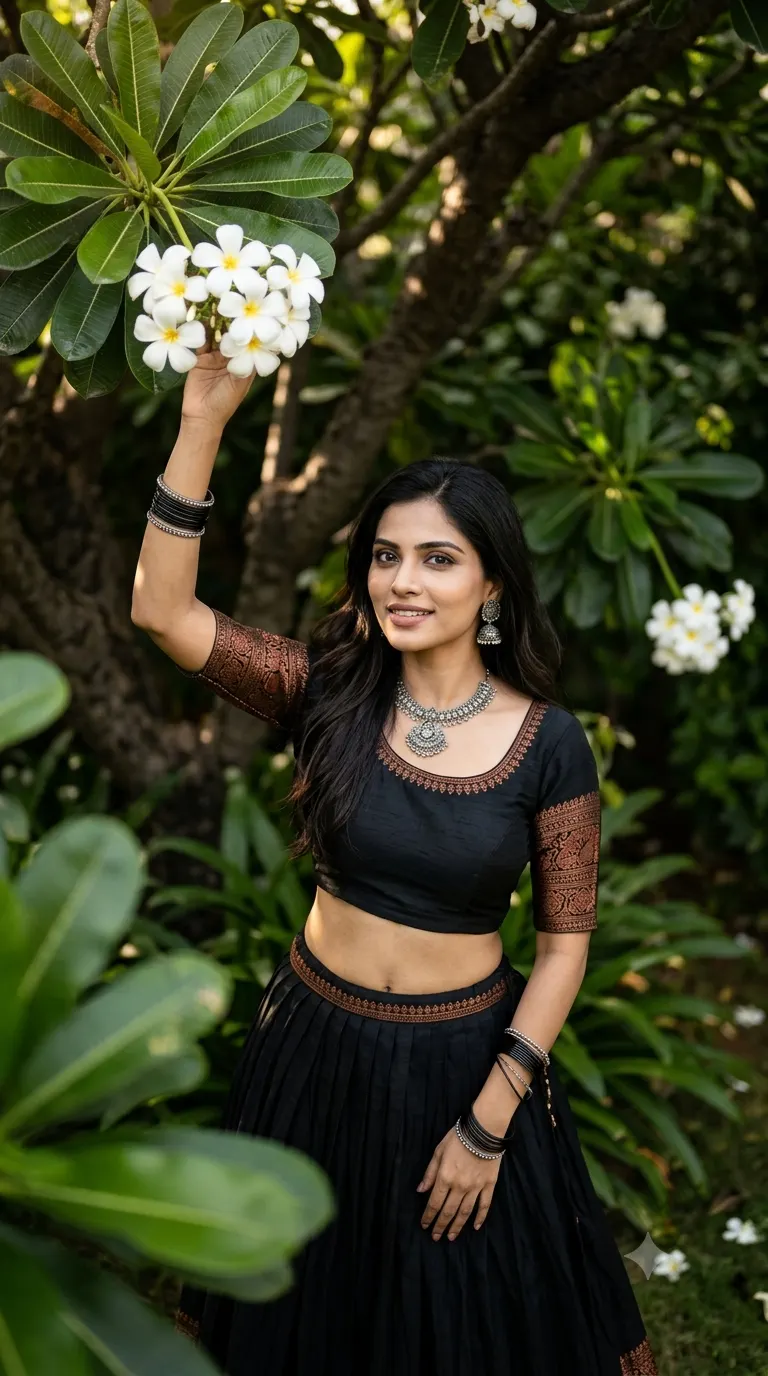
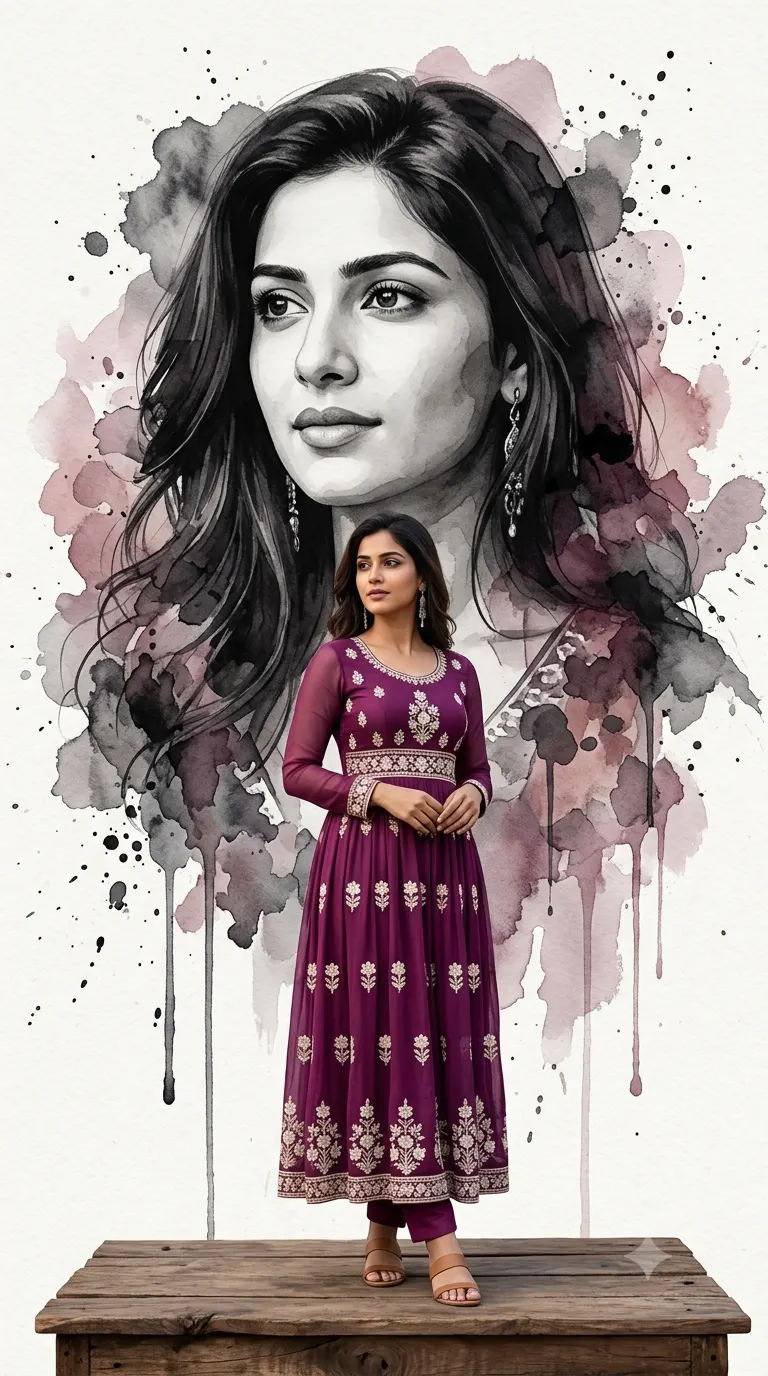
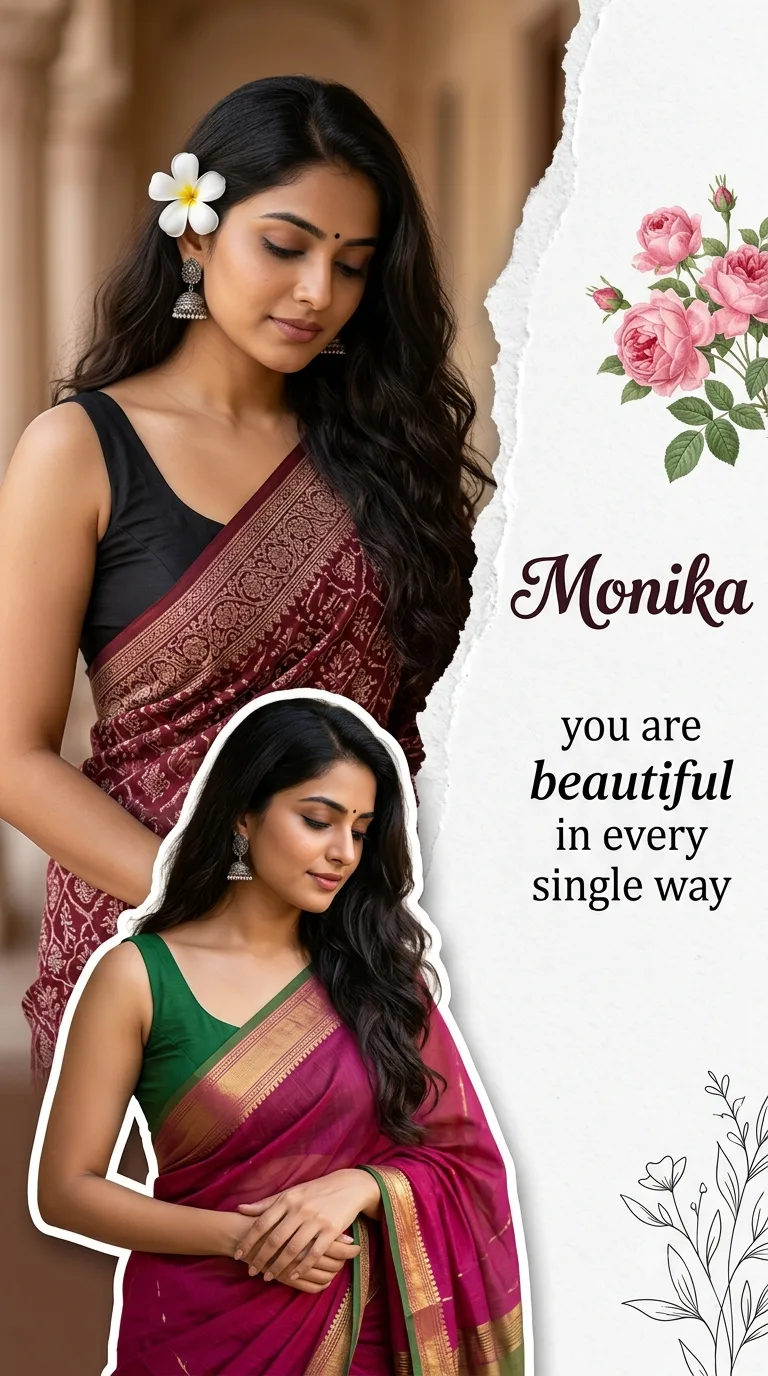
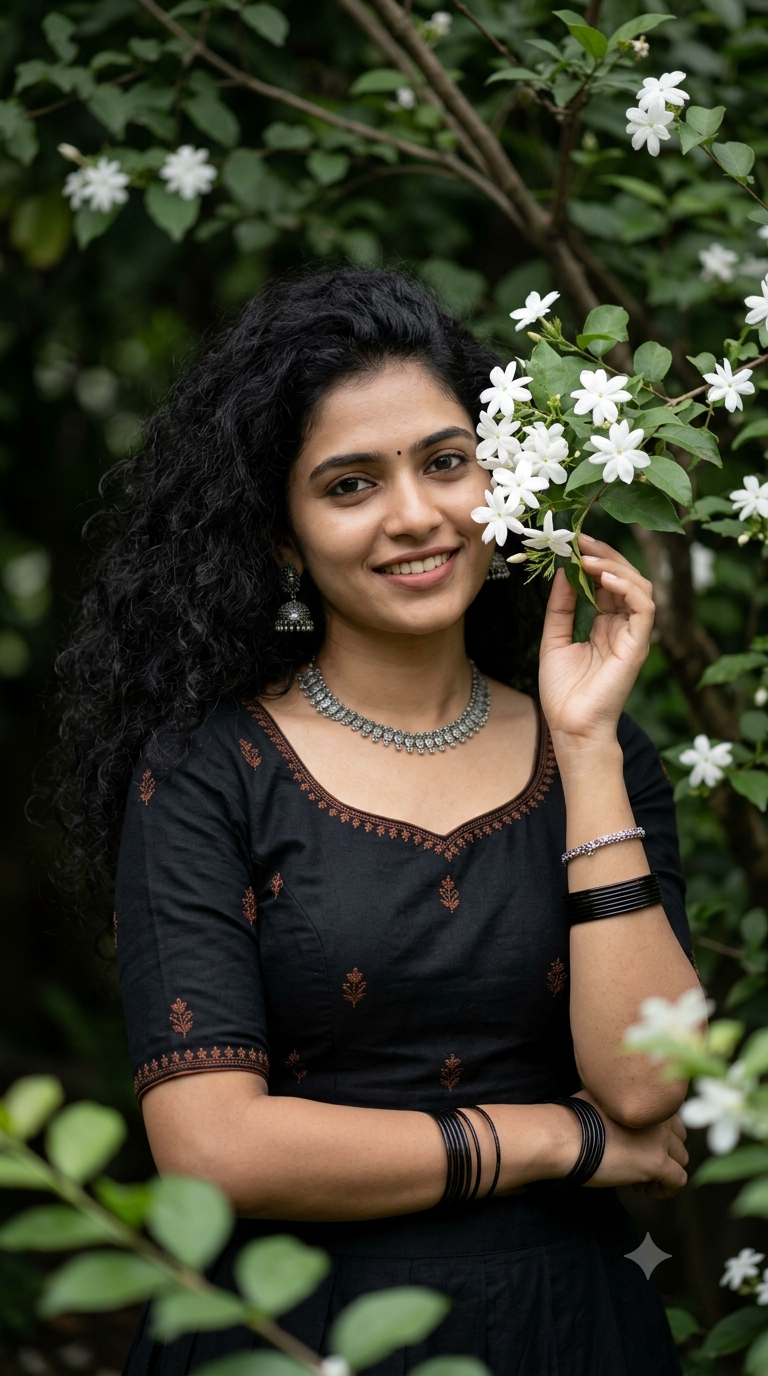
Create Image Realistic Jasmine Flower Portrait using prompt seen below. 1. STRICT FACE IDENTITY COPY DNA Use the …
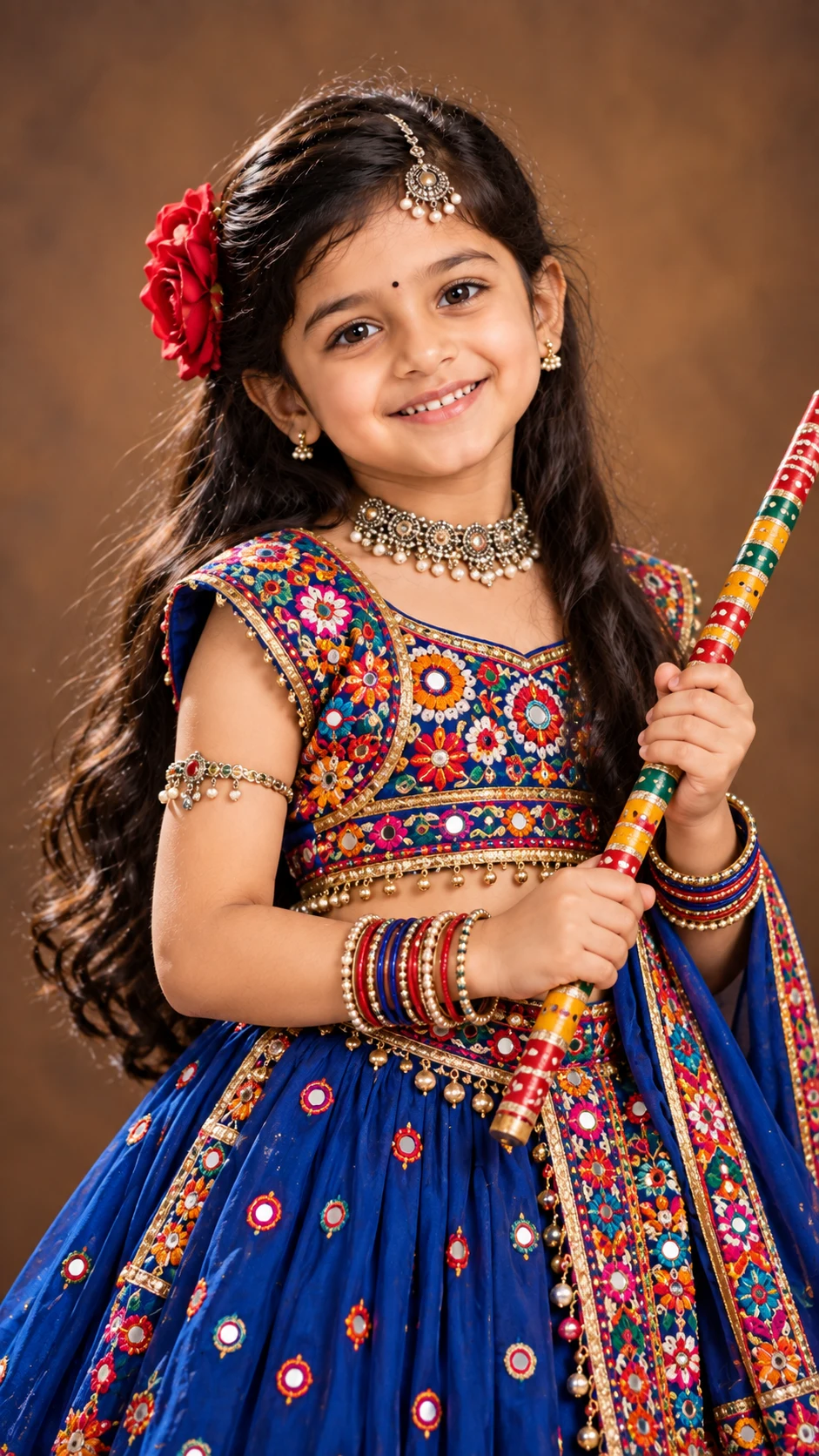
Create Image For Traditional Indian Girl Portrait With Dandiya Stick & Navratri Look using prompt seen Below.
Use the uploaded reference image exclusively as the facial identity source for the girl. Directly copy the exact facial identity of the girl from the uploaded image into the generated image, including her exact head shape, forehead, natural hairline, eyebrow shape and density, eyelids, eye shape and spacing, iris appearance, nose bridge and tip, lips, cheeks, jawline, chin, ears, natural skin tone, skin texture, facial proportions, apparent age, and every recognizable facial characteristic. Do not create a similar face, a face inspired by the reference, or a generic child face. Do not beautify, reshape, slim, age, de-age, enlarge the eyes, modify the nose, sharpen the jaw, or otherwise alter her facial features. Use the uploaded image only for exact facial identity copying; reconstruct everything else from the visual blueprint below.
Reconstruct the reference as a realistic traditional Indian child portrait photographed against a simple warm brown studio background. The girl stands in a three-quarter body orientation while facing the camera, wearing an elaborate traditional blue Indian outfit with rich multicolored embroidery and ornamental detailing. She holds a decorated wooden dandiya stick diagonally across the lower-right portion of the frame. The overall visual style is an elegant, richly detailed traditional Indian festive portrait with natural photographic realism.
Place the girl centrally, occupying most of the vertical frame from approximately the lower torso upward, with her body slightly turned while her face looks directly toward the camera. Keep her head around the upper-middle portion of the frame and her torso extending toward the bottom edge. Her long hair falls prominently down the left side of her body. Keep the composition intimate and portrait-focused, with minimal empty space and no unnecessary background elements.
Reproduce the relaxed three-quarter standing pose. Keep the girl's shoulders and torso slightly angled relative to the camera while her head turns toward the viewer. Both arms are bent naturally in front of her body, with her hands positioned around the decorated dandiya stick. Preserve the gentle, confident posture and subtle natural smile. Do not make the pose exaggerated, theatrical, or adult-like.
Reconstruct the detailed traditional outfit visible in the reference: a rich royal-blue Indian lehenga/sari-style ensemble with heavily embroidered multicolored textile panels. Include intricate red, orange, gold, pink, turquoise, and cream ornamental motifs, dense traditional patterns, decorative borders, small reflective embellishments, and layered textile detailing. The lower blue fabric should contain small repeated circular and ornamental motifs. Preserve the richly decorated traditional appearance without simplifying the embroidery.
Reproduce the girl's long, thick, naturally wavy dark hair flowing down past her shoulders and prominently along the left side of her body. Add the visible large red rose hair accessory positioned beside her left temple. Recreate the traditional jewelry: ornate silver-toned maang tikka centered along the hair parting, small traditional earrings, a broad decorative choker necklace, upper-arm ornament, multiple stacked bangles on both wrists, and other subtle traditional jewelry visible in the reference. Include the small dark bindi centered on the forehead.
Preserve the traditional decorated dandiya stick held in the girl's hands. The stick should be slender, wooden, and decorated with colorful painted sections, including green, red, yellow, and natural wood tones. Keep it angled diagonally upward toward the right edge of the frame, matching the visible orientation. It must appear physically held by both hands with realistic finger placement and contact.
Use a plain, seamless warm dark-brown studio background with a subtle natural tonal gradient. Keep the background completely uncluttered. Do not introduce a temple, outdoor festival, garlands, stage, crowd, architecture, decorative lights, or additional scenery. The simple brown background is an important part of the reference's portrait aesthetic.
Use a professional portrait camera positioned approximately at the girl's eye level, with a slightly frontal three-quarter perspective matching the reference. Frame the subject as a vertical medium-to-three-quarter portrait, capturing her head, full hairstyle, jewelry, upper and mid-body, outfit details, arms, hands, and the visible dandiya stick. Keep the girl's face as the primary visual focal point.
Simulate a professional full-frame camera using an approximately 85mm portrait lens from a moderate camera distance of roughly 2–3 metres. Use approximately f/2.8–f/4 to create gentle background separation while retaining clear detail in the girl's face, jewelry, hair, clothing embroidery, and dandiya stick. Avoid wide-angle distortion and preserve natural child proportions.
Use soft, warm professional studio lighting coming primarily from the front and slightly to one side, producing gentle illumination across the face and outfit. Add subtle directional highlights to the hair, jewelry, embroidery, and textured fabrics while retaining natural shadows along the opposite side of the body. Keep the brown background softly illuminated without visible lighting equipment or harsh hotspots.
Preserve the warm, sophisticated color palette of deep brown, royal blue, vivid red, multicolored embroidery, silver jewelry, and warm natural skin tones. Maintain a festive Indian cultural portrait mood that feels elegant, joyful, traditional, and authentic. Avoid excessive cinematic grading, neon colors, artificial HDR, or oversaturated skin.
Render authentic child skin texture, individual strands of wavy hair, realistic silver jewelry, metallic reflections, detailed embroidery threads, woven fabric texture, tiny decorative embellishments, natural wooden dandiya texture, and physically believable clothing folds. The outfit should look like real handcrafted Indian textile rather than digitally painted costume material.
Do not change the copied facial identity. Do not create a generic child model. Do not change the girl's apparent age or body proportions. Do not simplify the traditional outfit, remove the embroidery, replace the jewelry, change the hairstyle, remove the red rose, or replace the dandiya stick with another prop. Do not introduce a festival background, temple, stage, crowd, garlands, excessive decorations, additional people, text, logos, or watermarks. Avoid plastic skin, excessive beauty retouching, unrealistic hair, malformed hands, extra fingers, distorted jewelry, incorrect fabric patterns, cartoon styling, CGI appearance, or wide-angle facial distortion.
Generate one ultra-realistic 4K Ultra HD image in a strict vertical 9:16 aspect ratio, faithfully reconstructing the supplied reference as a traditional Indian child portrait. Preserve the directly copied facial identity, three-quarter standing pose, long wavy hair with red rose, traditional jewelry, richly embroidered blue Indian outfit, decorated multicolored dandiya stick, warm brown studio background, camera perspective, framing, lighting, color palette, and overall photographic styling. The reference image is the primary source of truth for the visual reconstruction; do not redesign or creatively reinterpret any element unless explicitly requested.
Explore more prompts related to this one.